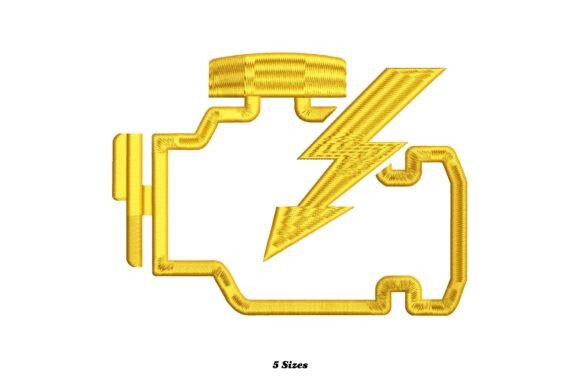
Check Engine: A Designer’s Review for Small Business Merch
As an embroidery designer who has spent years turning digital concepts into tactile brand assets, I approach every new file with a mix of creative enthusiasm and commercial scrutiny. When reviewing a design titled Check Engine, my first instinct is to look past the playful title and evaluate its viability as a functional piece of small business merch. The product description promises charm, whimsy, and versatility across fabrics like t-shirts, towels, and home decor. But for the serious entrepreneur—whether you run a boutique, a café, or a handmade brand—the real question is not just how it looks, but how it performs in production.
This review focuses on the practical application of the machine embroidery design known as Check Engine. We will explore its potential for branded patches, staff uniforms, and custom apparel, while highlighting the technical considerations that separate a decorative stitch from a professional brand asset.
First Impressions: Personality and Professionalism
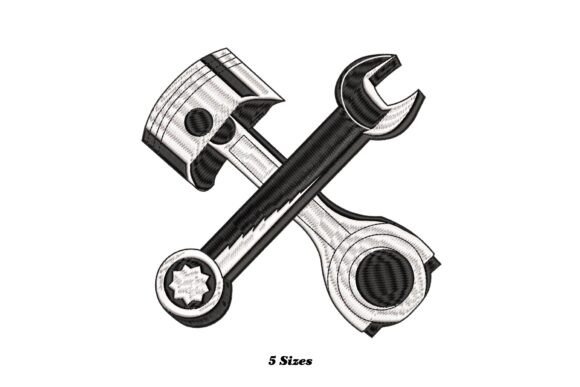
The title "Check Engine" immediately evokes automotive imagery, yet the description suggests a softer, more whimsical approach. In the world of branding, this duality is powerful. If executed well, the design can bridge the gap between industrial reliability and friendly hospitality. For a small bakery, a florist, or a local creative studio, this kind of playful personality can humanize a brand without sacrificing professionalism.
Visually, we must assess whether the design feels premium or purely decorative. A successful embroidery file for merchandise needs to hold up under close inspection. Does the line work feel bold enough to be recognized at a glance? Is the balance between detail and simplicity appropriate for mass production? The "charm" mentioned in the description implies a level of intricacy that must be carefully managed. Too much detail can lead to muddy stitches on small items, while too little may fail to convey the intended message. The key here is finding a visual equilibrium that supports your brand identity rather than distracting from it.
Real-World Applications for Branded Assets
One of the strongest use cases for a design like Check Engine is the creation of embroidered patches. Patches are versatile tools for small businesses. They can be sewn onto denim jackets, canvas tote bags, or even used as labels on product packaging. Because the design is described as having a "fun, whimsical touch," it lends itself well to casual wear and lifestyle products.
- Staff Uniforms and Aprons: For cafes or retail shops, a subtle embroidered accent on an apron or cap can build team cohesion. If the design is compact enough, it works beautifully as a chest logo or a sleeve detail.
- Cap Embroidery: Hats remain one of the most effective forms of mobile advertising. However, curved surfaces present challenges. The design must be legible when stitched onto the front panel of a cap, requiring careful attention to lettering size and curve alignment.
- Tote Bag Design: Canvas totes are staples for Etsy sellers and craft fair vendors. A whimsical design adds value to these items, making them desirable gifts or promotional giveaways that keep your brand visible in daily life.
- Custom Apparel: Whether for a launch event or a seasonal collection, incorporating this design into t-shirts or hoodies allows for high-engagement commercial embroidery projects.
Strategic Placement and Cautionary Zones
While the potential is high, there are specific scenarios where this design requires careful handling. Not all designs translate equally well to every surface. As a designer, I advise evaluating the following constraints before committing to large-scale production.
Size and Legibility
When scaling down a design for a small patch or a tiny label, fine details often disappear. If the Check Engine design relies on thin lines or intricate internal spacing, it may become illegible when reduced to two inches or less. Always test the design at its smallest intended scale. Tiny lettering, if present, must be thick enough to maintain integrity after washing.
Fabric and Surface Challenges
The texture of your fabric plays a significant role in the final output. On highly textured materials like heavy canvas or boucle wool, the definition of the design may soften. Conversely, on smooth fabrics like polyester blends, the stitches will pop more clearly. Be cautious with dark uniforms; if the design uses light thread colors without adequate underlay or backing, it may lack contrast and appear washed out.
Density and Durability
High stitch density can make a design stiff and uncomfortable, particularly on garments that need to breathe. For items like work shirts or active-wear caps, excessive density can cause puckering over time. Additionally, items that require frequent washing—such as kitchen aprons or chef coats—need robust construction. Poorly stabilized designs may unravel or distort after several wash cycles, damaging the reputation of your brand.
Impact on Brand Identity and Customer Trust
Embroidery is a premium finishing technique. Customers associate high-quality stitching with quality craftsmanship. When you use a well-executed design like Check Engine on your products, you signal attention to detail. This enhances customer trust and perceived value. A sloppy stitch job, however, can undermine even the best product concept.
Visual consistency is crucial. Ensure that the style of the Check Engine design aligns with your other design assets. If your brand is minimalist and modern, a overly ornate or rustic design might clash. If your brand is playful and artisanal, the whimsical nature of this design reinforces your voice. Consistency across custom apparel, packaging, and marketing materials creates a cohesive experience that drives buyer engagement.
Practical Notes for Production Success
Before you order hundreds of units or list the item on your shop, follow these essential steps to ensure a flawless finished product.
- Test in Black and White: Convert the design to monochrome to check the balance of negative space. If the design looks cluttered in black and white, it will likely struggle in color.
- Review Thread Color Contrast: Choose thread colors that stand out against your target fabric. High contrast ensures legibility and visual impact.
- Inspect Spacing and Hoop Size: Confirm that the hoop size accommodates your largest items without awkward re-hooping. Check that elements are spaced adequately to prevent stitching errors.
- Use Proper Stabilizer: The choice of stabilizer (cut-away vs. tear-away) depends on the fabric. Incorrect stabilization leads to puckering and misalignment.
- Create a Printable Mockup: Before cutting fabric, generate a printable mockup to visualize the design on the actual product. This helps in client approval and marketing preparation.
- Confirm Commercial Licensing: Verify that you have the rights to use the digital embroidery file for commercial resale. Unauthorized use can lead to legal issues.
In conclusion, the Check Engine design offers a charming opportunity for small businesses to add personality to their merchandise. By paying close attention to technical details, fabric compatibility, and brand alignment, you can transform this whimsical concept into a professional, high-value asset. Remember, the goal is not just to embroider a pattern, but to stitch a story that resonates with your customers and elevates your brand presence.