Woman Beauty Line Art Embroidery Review
Setting up a booth for a weekend craft fair or preparing listings for an Etsy shop requires more than just good products; it requires items that stop people in their tracks. As an experienced embroidery designer, I look at every machine embroidery design with a critical eye, asking one simple question: does this sell? Today, I am reviewing the Woman Beauty Line Art file to determine its viability for handmade market products. This review focuses on real-world application, visual impact, and production practicality for Etsy sellers, boutique makers, and creative entrepreneurs looking to expand their inventory.
First Impressions and Visual Appeal
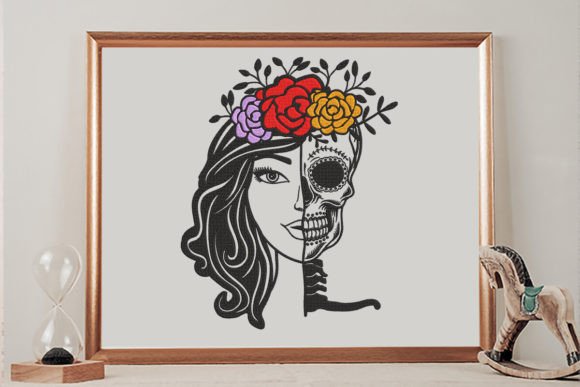
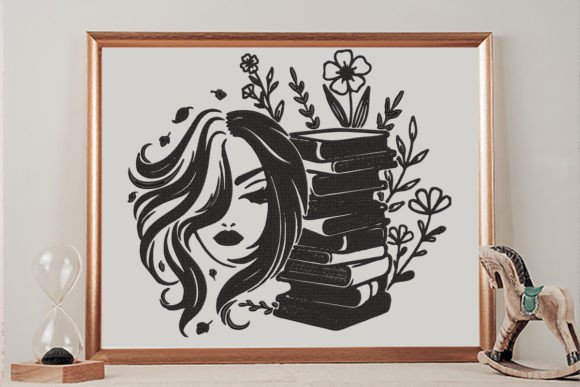
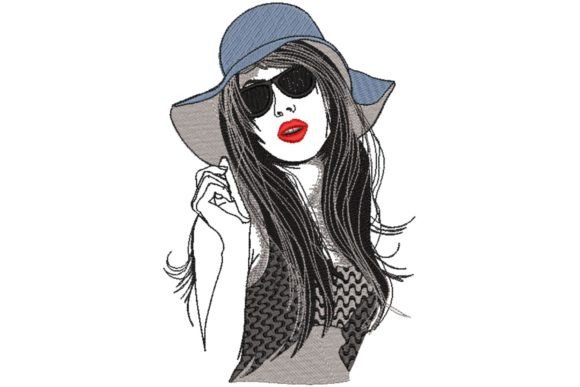
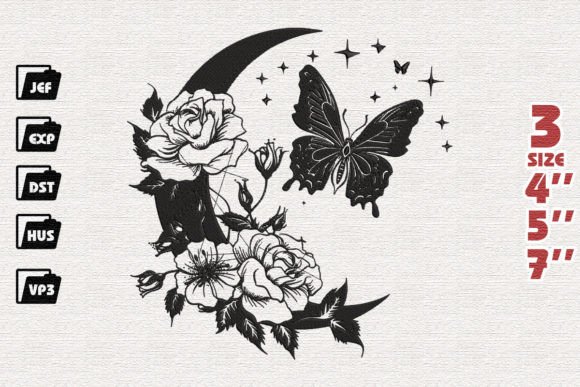
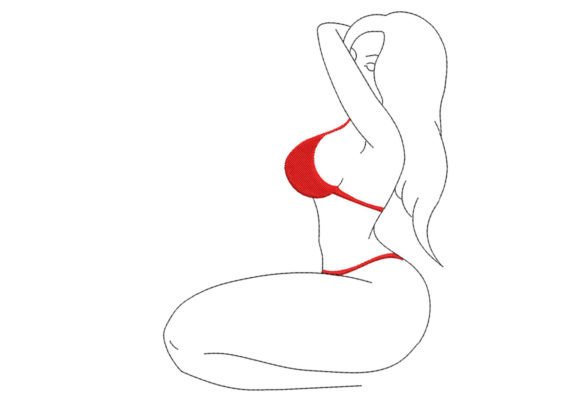
When you first load the embroidery file into your digitizing software, the immediate takeaway from Woman Beauty Line Art is its elegance. The title suggests a focus on aesthetics, and the line art style typically delivers a modern, minimalist, yet premium feel. In a crowded marketplace where many designs rely on heavy saturation or complex color blocks, clean lines offer a sophisticated contrast. It feels less like a novelty item and more like a decorative accent that complements a brand’s aesthetic.
This design does not scream for attention with loud colors; instead, it whispers quality. For a craft fair seller, this is crucial. Customers often browse tables quickly, but they linger over items that look refined. The line art style translates well to various moods—it can appear chic and contemporary when stitched in black or navy, or soft and romantic when used in pastels. This versatility makes it a strong candidate for a wide range of handmade product categories.
Product Applications and Market Fit
To maximize sales, you must match the design to the right substrate. Here is how Woman Beauty Line Art performs across popular craft fair best-sellers:
- Tote Bags: A tote bag design featuring this line art works exceptionally well as a small chest placement or a centered focal point. The clean lines cut through the texture of canvas beautifully, making it a top-tier choice for everyday carry bags.
- Aprons and Tea Towels: For kitchen textiles, this design adds a touch of grace without overwhelming the utility of the item. Apron embroidery benefits from the vertical flow of line art, while tea towel embroidery allows the design to act as a charming footer or header accent.
- Caps and Headwear: When placed on the front panel of a cap, the design remains legible even at smaller scales. However, ensure the curve of the hat does not distort the delicate lines.
- Patches and Pouches: An embroidered patch version of this art would make a trendy accessory for denim jackets or backpacks. Small fabric pouches also benefit from the compact nature of line art, allowing the design to fit neatly within standard hoop sizes.
- Pillow Covers: For home decor, this design elevates the perceived value of the pillow. It looks expensive and intentional, which helps justify higher price points for finished product buyers.
The design’s ability to photograph well is another significant asset. For an Etsy seller, clear, high-contrast images are essential. Line art provides excellent contrast against neutral fabrics like cream, beige, grey, or white, ensuring that your printable mockup or actual photo captures the detail accurately.
Production Practicality and Batch Efficiency
From a production standpoint, efficiency is key to profitability. Designs that require excessive thread changes or long run times eat into your profit margin. While specific stitch counts vary by digitizer, line art generally relies on running stitches rather than dense satin fills. This means faster stitching speeds and lower thread consumption. If you are producing batches of small shop product items, this design allows you to turn out units quickly without sacrificing quality.
Furthermore, the design is highly repeatable. You can create a cohesive collection by varying only the thread color or the base fabric. This consistency strengthens your brand identity, making your booth or online store look curated and professional rather than random.
Technical Considerations and Careful Use Notes
Even the most beautiful design can fail if technical details are ignored. As a designer, I urge you to pay close attention to the following factors when working with Woman Beauty Line Art:
- Stitch Density and Clarity: Line art can sometimes suffer if the stitch density is too low, causing threads to show through the fabric, or too high, causing puckering. Always inspect the digitization closely. Tiny details may get lost if the design is scaled down too much.
- Fabric Texture: Avoid highly textured fabrics like heavy waffle-weave towels or boucle knits for the initial test. The rough surface can obscure fine lines. Smooth cottons, linens, and stable blends yield the crispest results.
- Thread Contrast: Ensure there is sufficient contrast between your thread colors and the fabric. Black thread on dark navy may disappear, while white thread on light cream may lack definition. Test multiple combinations.
- Hoop Size and Placement: Confirm the hoop size required by the file. If the design is large, ensure your machine can accommodate it, or plan to re-hoop carefully. Misalignment during re-hooping can ruin the symmetry of the artwork.
- Stabilizer Selection: Using the wrong stabilizer can lead to distortion. Cut-away stabilizers are generally safer for stretchy fabrics like jersey caps, while tear-away may suffice for woven cottons. Always err on the side of extra support.
Final Verdict for Craft Fair Sellers
Woman Beauty Line Art is a versatile, elegant addition to any digital embroidery library. Its strength lies in its adaptability and its ability to convey a sense of premium quality with minimal visual clutter. It is ideal for commercial embroidery projects targeting customers who appreciate modern, understated beauty.
For craft fair vendors, this design offers a low-risk, high-reward opportunity. It photographs well, stitches efficiently, and appeals to a broad demographic. Whether you are creating gifts for holiday markets or everyday essentials for summer fairs, this design fits seamlessly into your lineup.
Before committing to mass production, remember these final steps: test the design on scrap fabric, check the spacing and alignment, and confirm your commercial licensing terms if you plan to sell finished goods. By verifying these details, you ensure that your design assets translate into successful, profitable handmade product offerings. With careful execution, Woman Beauty Line Art will not just sit on your table; it will sell.