Deer Head Embroidery Design Review
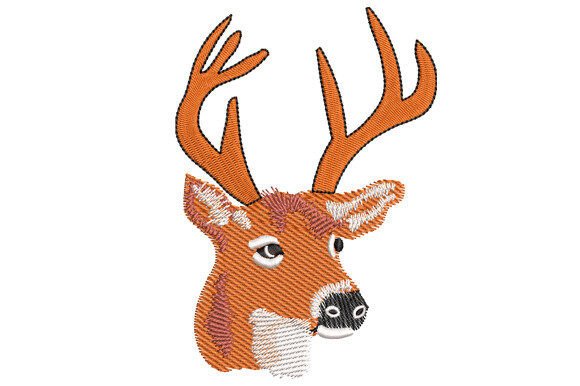
As an embroidery designer who spends weekends setting up booths at local craft fairs and managing an online shop for handmade goods, I know that the difference between a design that sits on the shelf and one that sells out lies in its versatility and visual impact. When I first reviewed the Deer Head machine embroidery design, my immediate thought was not just about aesthetics, but about how it would translate into physical products. This is not just a pretty picture; it is a potential bestseller for your Woodland Animals collection if executed correctly.
The description promises to help you "Express Yourself" and upgrade fabric items to reflect individuality. From a production standpoint, this suggests a design that is clean enough to be recognizable but detailed enough to feel premium. In the world of embroidery business owners and Etsy sellers, we are constantly looking for designs that offer endless possibilities. The Deer Head fits this bill perfectly, bridging the gap between rustic farmhouse charm and modern minimalism.
First Impressions: Visual Appeal and Market Fit
When you look at the Deer Head design, the first thing that strikes me is its balance. It avoids being overly complex or cluttered, which is crucial for craft fair products where customers often glance at items from a distance. A design that is too dense can lose its definition when stitched onto textured fabrics like canvas tote bags or terry cloth tea towels. Conversely, a design that is too simple might lack the perceived value needed to command a higher price point.
This design feels bold yet approachable. It has a decorative quality that works well for the growing market of home decor enthusiasts. Whether you are targeting buyers who love cabin aesthetics or those who prefer chic, neutral-toned interiors, the Deer Head serves as a strong focal point. It signals "handmade quality" without feeling dated. For boutique makers, this is a versatile asset that can anchor a cohesive brand identity across multiple product lines.
Product Versatility: Where Deer Head Shines
The true test of any digital embroidery file is its adaptability. Here is how the Deer Head performs across various high-demand categories:
- Tote Bags and Market Bags: These are staple items for any handmade product seller. The Deer Head looks stunning centered on a natural cotton canvas bag. Because the design likely relies on clear outlines rather than tiny intricate fills, it maintains clarity even on coarse fabrics. It creates an instant statement piece for shoppers carrying groceries or books.
- Apron Embroidery: Kitchen aprons are a popular gift item. Placing the Deer Head on the bib or pocket area adds a touch of warmth to the kitchen. It appeals to home cooks who appreciate nature-inspired decor. Ensure you use a high-quality stabilizer to prevent puckering on the heavy denim or cotton twill often used for aprons.
- Tea Towel Embroidery: There is something inherently charming about embroidered linens. The Deer Head works beautifully here, especially if paired with complementary thread colors like sage green, terracotta, or navy. It transforms a basic utility item into a giftable keepsake.
- Embroidered Patches and Caps: For small shop product lines, patches are low-risk, high-margin items. The Deer Head’s distinct shape makes it ideal for iron-on or sew-on patches. On caps, however, you must be cautious. Curved surfaces can distort circular or wide designs. Test the hoop size carefully to ensure the deer’s antlers do not get compressed against the cap’s brim.
- Pillow Covers and Home Decor: Square pillow covers provide a perfect canvas for symmetrical designs. The Deer Head can serve as a centerpiece, perhaps flanked by smaller woodland elements or left alone for a minimalist look. This elevates the perceived value of the finished product significantly.
Production Practicalities and Quality Control
Before you rush into batch production, there are critical technical considerations. As an experienced designer, I cannot stress enough the importance of testing. Do not assume the design will stitch out perfectly on every fabric type.
Stitch Density and Detail: Check the stitch density of the Deer Head. If the design includes very fine details in the antlers or eyes, these may become muddy if stitched on thick, textured fabrics like waffle-weave towels or fuzzy fleece. For such materials, consider using a larger version of the design or simplifying the digitization if possible. Dense areas can also cause needle breakage or thread jams if not backed properly.
Fabric Texture and Contrast: The choice of fabric drastically changes the look of the final piece. On dark fabrics, you will need a dense underlay or a lighter base color to make the thread pop. On light fabrics, you have more freedom with thread colors. Always check thread contrast before committing to a large run. A design that looks crisp on white linen might disappear on beige cotton if the thread shade is too similar.
Hoop Size and Spacing: Confirm the recommended hoop size for the Deer Head. If you are producing items like caps or small pouches, you need to ensure the design fits within the printable area without hitting the hoop edges. Improper spacing can lead to misaligned stitching, which ruins the professional appearance of your commercial embroidery work.
Selling Strategy: From Booth to Online Listings
How does the Deer Head perform in terms of sales psychology? It photographs exceptionally well for online listings. Its clean lines and recognizable subject matter make it ideal for creating eye-catching printable mockups. When customers browse Etsy or Instagram, they scroll quickly. A clear image of a Deer Head on a tote bag stops the scroll because it is instantly understandable.
For craft fair booths, display the design on a variety of items. Group a tote bag, an apron, and a tea towel together to show versatility. This encourages impulse buys, as customers might come for the bag but leave with all three. The design’s ability to convey "individuality" allows you to market it as a personalized gift option, which increases its appeal during holiday seasons.
Remember to create at least one real mockup before listing. Digital renderings can sometimes exaggerate texture or color accuracy. A physical sample allows you to inspect the finish, check for loose threads, and ensure the design holds up after washing. This attention to detail builds trust with your customers and reduces returns.
Final Verdict for Creative Entrepreneurs
The Deer Head is a robust addition to any digital embroidery file library. It balances artistic appeal with commercial viability. By paying close attention to fabric choices, stabilizer usage, and thread contrast, you can turn this design into a profitable line of finished products. Whether you are a seasoned pro or just starting out, this design offers the flexibility to experiment while maintaining a high standard of craftsmanship. Just remember to verify all technical specifications and licensing terms before selling your creations. Happy stitching!