Cute Piglet and Melon: A Seasonal Embroidery Review
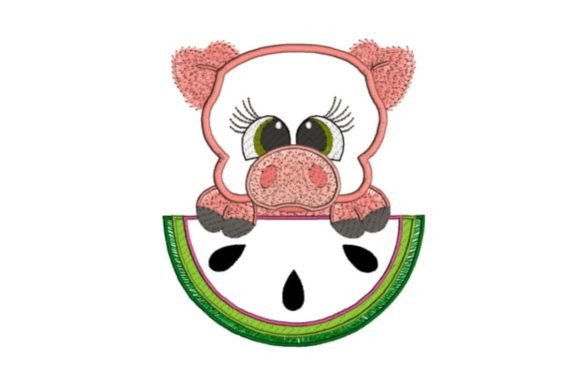
As an embroidery designer who spends countless hours testing stitches, evaluating fabric textures, and planning seasonal collections for small businesses, I am always on the lookout for designs that strike the perfect balance between whimsy and wearability. Today, I am reviewing Cute Piglet and Melon, a charming machine embroidery design featuring an adorable baby pig and a watermelon slice. This piece is categorized under Baby Animals and falls squarely into the realm of high-quality Embroidery art. My goal here is to determine if this design deserves a spot in your upcoming holiday or summer product lineup.
The First Impression: Mood and Style
When I first opened the digital embroidery file for Cute Piglet and Melon, the immediate feeling was one of playful nostalgia. The combination of a sweet, innocent piglet with the vibrant, summery iconography of a watermelon slice creates a unique visual narrative. It is not just cute; it feels festive yet cozy. For sellers planning limited-time product drops, this design bridges the gap between spring freshness and summer fun, making it versatile for various occasions.
The decorative style leans heavily into the modern-cute aesthetic. It lacks the heavy, rustic elements of traditional folk art but avoids being overly minimalist. Instead, it offers enough detail to feel premium without becoming cluttered. The emotional tone is lighthearted and joyful, which translates exceptionally well to handmade gifts intended for children, families, or anyone who appreciates a touch of whimsy in their home decor. If you are looking to add a splash of color and personality to your shop, this design delivers that instant visual recognition.
Real-World Application for Holiday and Seasonal Sellers
For Etsy sellers and small shop owners, versatility is key. Here is how I envision Cute Piglet and Melon performing across different product categories:
- Sweatshirt Embroidery: Pairing the bright watermelon colors with a soft heather grey or blush pink sweatshirt creates an inviting look. This design works beautifully as part of a family matching item collection, where parents might choose a subtle version while kids get the full-color piglet.
- Tote Bag Design: Canvas tote bags are a staple for craft fair displays. This applique-style design stands out against natural canvas or navy blue cotton, making it an excellent choice for personalized gift shoppers looking for practical yet charming accessories.
- Kitchen Towel Embroidery: Summer gatherings and holiday hosting often require cheerful kitchen linens. Stitching this onto a white or pale yellow flour sack towel adds a professional, boutique-level touch that customers love to see in social media previews.
- Pillow Cover and Home Decor: For home decor enthusiasts, this design can be scaled up on lumbar pillows. The contrast between the pig’s soft curves and the geometric seeds of the melon slice provides interesting texture when viewed from a distance.
- Embroidered Patch: Creating iron-on patches allows buyers to customize their own denim jackets or backpacks. This expands your market reach to those who prefer removable decorations.
In terms of marketing, this design lends itself perfectly to printable mockups. The bright greens and reds of the watermelon pop against neutral backgrounds in photographs, helping your listings stand out in crowded search results. It also serves as a great anchor for gift bundles, such as pairing a stitched apron with a matching kitchen towel set.
Where to Use Caution: Technical Considerations
Even the most charming designs have technical limitations. As an experienced designer, I must advise caution in specific scenarios to ensure customer satisfaction and reduce returns.
- Small Hoop Sizes: While the design is likely compact, attempting to stitch it on very small items like baby socks or tiny ornaments may result in lost detail. Always confirm the hoop size requirements before committing to these micro-products.
- Thick Towels and Fabric Texture: Thick terry cloth towels can cause needle deflection, leading to misaligned stitches. Similarly, highly textured fabrics like boucle or rough linen may obscure the finer details of the piglet’s features. Stick to smooth, tightly woven fabrics for the best result.
- Dark Fabric and Thread Colors: If stitching on dark fabrics, you will need a stabilizer and potentially a backing layer to prevent show-through. Additionally, ensure your thread colors are vibrant enough to contrast sharply against darker materials, or consider using a lighter base fabric.
- Metallic Thread and Stretchy Garments: Avoid using metallic threads unless you are confident in your tension settings, as they can break easily. Furthermore, while this design looks good on structured items, applying it directly to highly stretchy garments without proper stabilization can lead to puckering after washing.
- Curved Caps: If you plan to use this on curved caps, ensure the design is digitized specifically for curvature or use a specialized cap frame. Flat embroidery on a curved surface often results in distorted proportions.
Impact on Seasonal Appeal and Brand Consistency
Incorporating Cute Piglet and Melon into your commercial embroidery offerings does more than just add a new product; it enhances the overall perceived value of your brand. Buyers associate high-quality, detailed embroidery with trust and care. When a customer sees a well-stitched piglet on a tote bag, they perceive the entire product as more valuable than a printed alternative.
This design boosts engagement during holiday shopping periods because it taps into the universal desire for cute, giftable items. It evokes positive emotions—nostalgia for childhood summers, joy for new parents, or simply the pleasure of receiving a thoughtful, personalized gift. By maintaining a consistent aesthetic across your product line, you build a recognizable brand identity that encourages repeat purchases.
Practical Designer Notes for Success
Before adding this to your production queue, follow these essential steps:
- Test Thread Colors: Stitch test samples on both light and dark fabrics to ensure the color palette translates correctly. Digital screens can sometimes distort how colors appear in thread form.
- Check Stitch Density: Review the density of the fill stitches. Too much density can make the fabric stiff, especially on apparel, while too little can leave the fabric visible through the design.
- Use Proper Stabilizer: Always match your stabilizer to your fabric weight. Cut-away stabilizers are generally recommended for apparel to maintain integrity after washing, while tear-away may suffice for home decor items.
- Create Realistic Mockups: Before listing, create realistic mockups that show the product in use. This helps customers visualize the finished product and reduces uncertainty.
- Review Small Details: Zoom in on the digital file to check for any overlapping stitches or tiny details that might not render well at smaller scales.
- Confirm Commercial Licensing: Ensure you have the correct commercial license to sell finished products made with this digital embroidery file. Different licenses apply to personal use versus resale.
If you are an embroiderer looking to refresh your seasonal inventory, Cute Piglet and Melon offers a delightful blend of charm and versatility. By paying attention to the technical details and understanding its emotional appeal, you can create beautiful, profitable products that resonate with buyers this season.