A One Line Beautiful Letter Review for Craft Fairs
I have spent years designing and digitizing for the handmade market, and I know that a single design can make or break a booth at a weekend craft fair. When I first saw A One Line Beautiful Letter, my immediate thought was not about the technical stitch count, but about how it would look on a table covered in linens and cottons. As an experienced embroidery designer reviewing this for potential products, I see a piece of art that bridges the gap between modern minimalism and timeless elegance. It is exactly the kind of machine embroidery design that stops a browser from scrolling and makes a customer lean in to inspect the detail.
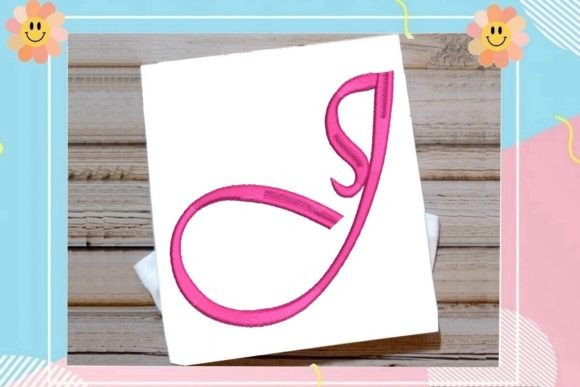
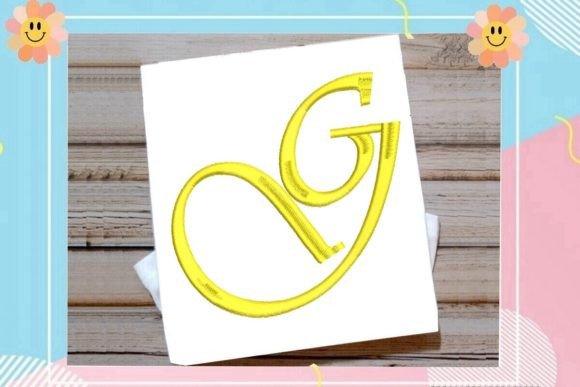
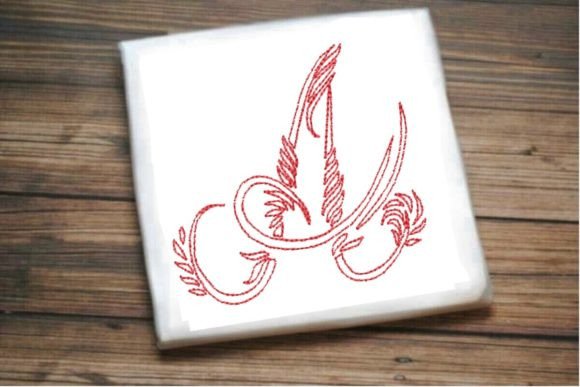
The concept of a monogram crafted in one continuous line is visually striking. In a sea of block letters and overly ornate script fonts, A One Line Beautiful Letter offers a fresh, fluid aesthetic. It feels premium without being fussy. For sellers looking to create unique handmade product lines, this design has the versatility to work across multiple categories, from rustic farmhouse decor to chic boutique gifts. The description highlights its seamless nature, which suggests a high level of quality that translates well into a finished item. It is not just a logo; it is a statement piece that elevates the perceived value of any item it adorns.
First Impressions: The Mood and Market Fit
When you hold the digital file in your mind's eye, A One Line Beautiful Letter screams "modern elegance." It does not feel like a generic template; it feels bespoke. This mood is crucial for Etsy seller listings and physical booth displays. Customers at craft fairs are often looking for something that feels personal and sophisticated. A design with a single continuous stroke implies flow and intentionality, which aligns perfectly with the values of buyers seeking authentic commercial embroidery goods.
This design works exceptionally well as a focal point. Unlike small, subtle accents that get lost in fabric texture, this lettering style commands attention. Whether you are creating a tote bag design for a festival-goer or a delicate tea towel embroidery for a wedding gift, the visual weight of the continuous line ensures the brand or monogram remains the star of the show. It strikes a balance between bold enough to be noticed from across a room and refined enough to sit comfortably on a small pouch or apron.
Product Applications: Where It Shines
In my experience preparing for a craft fair, selecting the right canvas is half the battle. A One Line Beautiful Letter is incredibly adaptable, making it a powerhouse for a diverse inventory. Here is how I see it performing on key items:
- Tote Bags and Market Bags: These are staple items for any small shop product lineup. The clean lines of the design cut through the heavy weave of canvas beautifully. It looks chic when placed centrally on a large tote or repeated subtly on the side panel.
- Aprons and Kitchen Towels: For the home cook or baker, this design adds a touch of class. On a white linen tea towel, the contrast creates a stunning printable mockup ready for online marketing. It transforms a utilitarian kitchen item into a giftable luxury good.
- Caps and Patches: While caps present a challenge due to their curvature, the fluid nature of a one-line design often accommodates curves better than rigid block letters. It could serve as a standout element on a dad hat or a custom embroidered patch for denim jackets.
- Pillow Covers and Fabric Pouches: These items allow for larger scale execution. A pillow cover featuring A One Line Beautiful Letter becomes a centerpiece for a living room, while small pouches offer a perfect opportunity for a quick, high-margin sale at a booth.
For digital sellers, this design is also a goldmine. It serves as excellent design assets for those selling digital files or creating printable mockups to showcase their own services. The versatility means you can test it on dozens of virtual products before ever touching a needle.
Selling Points and Production Practicality
From a business perspective, A One Line Beautiful Letter scores high on repeatability. Batch production is essential for craft fair success, and designs that are easy to hoist and frame quickly save hours of labor. The simplicity of the concept means fewer thread changes if executed efficiently, though the specific thread colors will depend on your chosen palette. It photographs exceptionally well for social media and Etsy listings, where clarity is king.
However, a professional must always consider the nuances of production. How does this embroidery file handle different fabrics? The continuous line relies on clarity. If the stitch density is too low, the line may break up on textured towels. If it is too high, it might pucker on lightweight fabrics. The design likely performs best on medium-weight fabrics where the structure holds the line tight without distorting the shape.
For the finished product, the visual appeal directly correlates to customer engagement. A booth display featuring items with this design will naturally draw eyes because of its unique geometry. It signals to the buyer that the maker cares about aesthetics and detail, reinforcing brand consistency. It is the kind of design that encourages impulse buys because it looks expensive and thoughtful.
Crucial Notes for the Embroidery Designer
Before you rush to print 50 aprons for the weekend fair, there are several technical steps you must take. As a designer who has learned these lessons the hard way, I urge you to proceed with caution regarding the following areas:
- Test on Scrap Fabric: Never assume a design works on all materials. Test A One Line Beautiful Letter on scrap pieces of the actual fabric you intend to sell. Check how it handles on thick denim versus soft cotton.
- Thread Contrast: The beauty of this design lies in its line. Ensure your thread colors provide sufficient contrast against the background. On dark fabrics, a light thread will pop, but ensure the underlay supports the top stitches so they do not sink into the material.
- Hoop Size and Stability: Confirm the recommended hoop size for the digitized version. Using the wrong stabilizer can lead to distortion, especially on curved surfaces like caps. Use a tear-away or cut-away stabilizer appropriate for the fabric weight to maintain the integrity of the one-line flow.
- Small Details and Clarity: Be wary of scaling the design down too much. Tiny details in a one-line script can become muddy or disappear entirely on small items like patches or tiny pouches. Stick to sizes where the line width remains visible and distinct.
- Fabric Texture: Highly textured fabrics, such as heavy waffle-weave towels or bouclé, may obscure the fine lines of the design. Smooth fabrics generally yield the best results for this specific style.
Additionally, always review the spacing and confirm commercial licensing before selling finished products. You need to ensure that your use of the digital embroidery file covers the production of goods for resale. Creating at least one real mockup is non-negotiable; seeing the design stitched out in person gives you the confidence to market it effectively.
Final Verdict for Your Booth
A One Line Beautiful Letter is more than just a font; it is a strategic tool for the creative entrepreneur. It fits seamlessly into the wedding monogram niche while remaining broad enough for everyday gifts. Its elegant, versatile nature makes it a standout choice for anyone looking to elevate their craft fair product offerings. By paying attention to the practicalities of stitching and testing thoroughly, you can turn this digital asset into a best-selling physical reality. It is a design that respects the craft, appeals to the modern eye, and promises a high-quality handmade product that customers will cherish.